Film
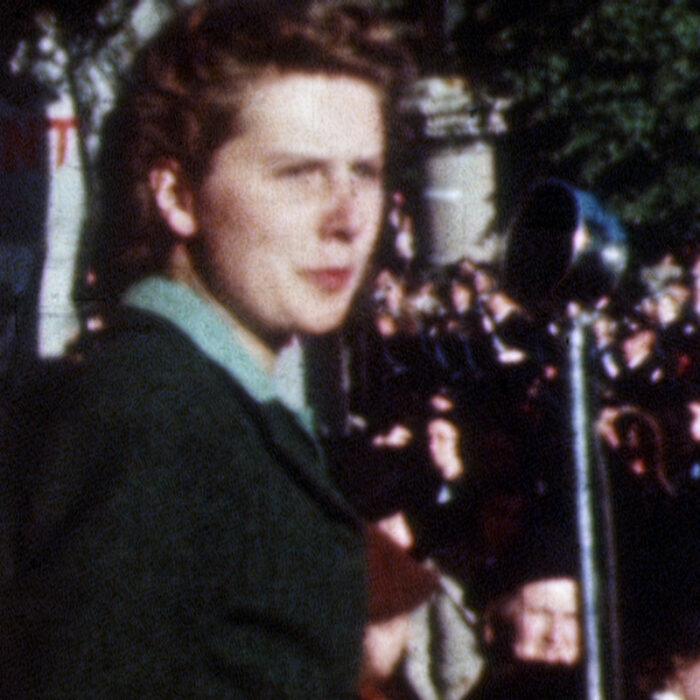
The Box, Super Saturday presents: The Way We Live (U) + intro

All tickets £4.50
The film will be introduced by The Box, Plymouth.
Dir. Jill Craigie, 1946, UK, 64 mins. Cast. Francis Lunt, Peter Willes, Patsy Scantlebury, June Riddols, 3000 Plymouthian extras.
2026 marks 80 years since Jill Craigie’s The Way We Live was released. The film is a pioneering documentary-drama that explores the challenges of rebuilding Plymouth after the devastation of World War II. The film was made at a time when much of the city lay in ruins following the Blitz and examines ambitious plans to create a new, modern city for the future. Craigie placed local people at the heart of the story. Through the on-screen experiences of the fictional Copperwheat family, we face the realities of wartime loss, overcrowded housing, and hopes for a better future. Craigie was particularly interested in ensuring that women and families were represented in debates about housing and reconstruction. Today, the film is seen as an important record of Plymouth’s rebuilding after the Second World War. 80 years on, its message about regeneration, community action and creating a better future is still relevant.
For detailed information about the film's age rating and content notices, you can visit the BBFC website and search the film title, then scroll down to the “Content Advice” section: www.bbfc.co.uk